


Organisational change designed around people, not processes.
Organisational change is often associated with new strategies, structures, systems and ways of working. But successful change is rarely determined by the plan itself. It’s determined by how people respond to it. No matter how well designed a change programme may be, progress depends on whether people understand the direction, trust the leadership and feel confident about the role they play in making change successful. At Mocean, we help organisations navigate change through communication, engagement, leadership alignment and experiences that create understanding and participation. Because successful change happens with people, not to them.
What is organisational change?
Organisational change refers to the process of moving from a current state to a desired future state.
This may involve changes to:
- Strategy
- Structure
- Leadership
- Culture
- Technology
- Ways of working
- Processes
- Behaviours
Some changes are large-scale transformation programmes. Others are smaller but equally important shifts in priorities, culture or organisational direction. Regardless of scale, the challenge remains the same. Helping people understand, adapt and move forward.
The mistake many organisations make
One of the biggest misconceptions surrounding organisational change is that change can be managed through communication alone. Communication is important. But successful change requires more than announcements, presentations and updates.
People are more likely to support change when they:
- Understand why it is happening
- See how it connects to wider objectives
- Trust the people leading it
- Feel their concerns are being heard
- Understand their role in the process
The challenge isn’t simply communicating change. It’s helping people engage with it. Successful change happens with people, not to them.
People don’t resist change. They resist uncertainty.
One of the most common assumptions about organisational change is that employees naturally resist it. In reality, people adapt to change regularly. What often creates resistance is uncertainty.
Questions such as:
- Why is this happening?
- What does it mean for me?
- What happens next?
- What is expected of me?
- How will success be measured?
can all influence how people respond. When uncertainty increases, engagement often decreases. When organisations create clarity, involvement and trust, people are generally more willing to move forward. Change becomes easier when people understand the direction, feel supported and believe they have a role to play.
Why change initiatives fail
Organisations often assume that resistance is the biggest obstacle to change. In reality, many change initiatives struggle because people lack clarity, trust or involvement.
Common reasons change programmes lose momentum include:
- Inconsistent leadership communication
- Limited employee involvement
- Unclear objectives
- Lack of visible progress
- Insufficient feedback mechanisms
Successful change programmes address these challenges early by focusing on understanding, communication and participation rather than compliance alone. People are far more likely to support change when they understand its purpose and feel they have a role in shaping its success.
Understanding people before driving change
Every organisation experiences change differently. Different audiences have different priorities, concerns and motivations. That’s why understanding stakeholder perspectives is often one of the most important parts of any change programme.
Before implementing change, organisations should understand:
- Employee sentiment
- Current challenges
- Barriers to adoption
- Levels of confidence
- Areas of concern
- Opportunities for engagement
Without that understanding, change initiatives often rely on assumptions. With it, organisations can make more informed decisions about communication, engagement and implementation. The most effective change strategies begin by listening.
Communication creates understanding
During periods of change, communication often becomes more frequent. But volume alone doesn’t create clarity. One of the biggest mistakes organisations make is assuming people need more information. In reality, they often need more context.
People want to understand:
- Why change is happening
- Why now
- What it means for them
- What success looks like
- How they can contribute
Communication is most effective when it helps people connect organisational decisions with their own experiences and responsibilities. When communication focuses solely on updates, people often fill the gaps with assumptions. When communication provides context, uncertainty begins to reduce. Communication cannot remove every concern. But it can create understanding. And understanding is often the foundation of change.
Leadership plays a critical role
People often experience organisational change through leaders. Employees look to leaders for context, reassurance and direction. Leadership communication influences how change is interpreted across the organisation. When leaders are visible, aligned and consistent, confidence tends to increase. When communication is inconsistent or disconnected, uncertainty can grow.
Successful change programmes equip leaders with the communication tools, narratives and confidence they need to guide people through transition. During periods of change, employees often look to leaders for signals about what matters most.
The way leaders communicate, the behaviours they demonstrate and the decisions they make can all influence how change is perceived throughout the organisation. Employees often look to leaders for signals about how seriously they should take the change and what behaviours are expected moving forward.
Employees often look to leaders for signals about how seriously they should take the change and what behaviours are expected moving forward. If leaders appear uncertain or inconsistent, employees often become uncertain too. Change programmes are rarely experienced through project plans or presentations. They are experienced through leaders.
Change requires participation, not compliance
One of the most common reasons change initiatives struggle is that people feel change is happening to them rather than with them. Participation creates ownership. Ownership creates momentum.
The most successful organisations create opportunities for people to:
- Ask questions
- Share feedback
- Contribute ideas
- Influence outcomes
- Participate in the process
When people feel involved, they are often more willing to support change and help drive it forward. Successful change is rarely imposed. It is built through participation.


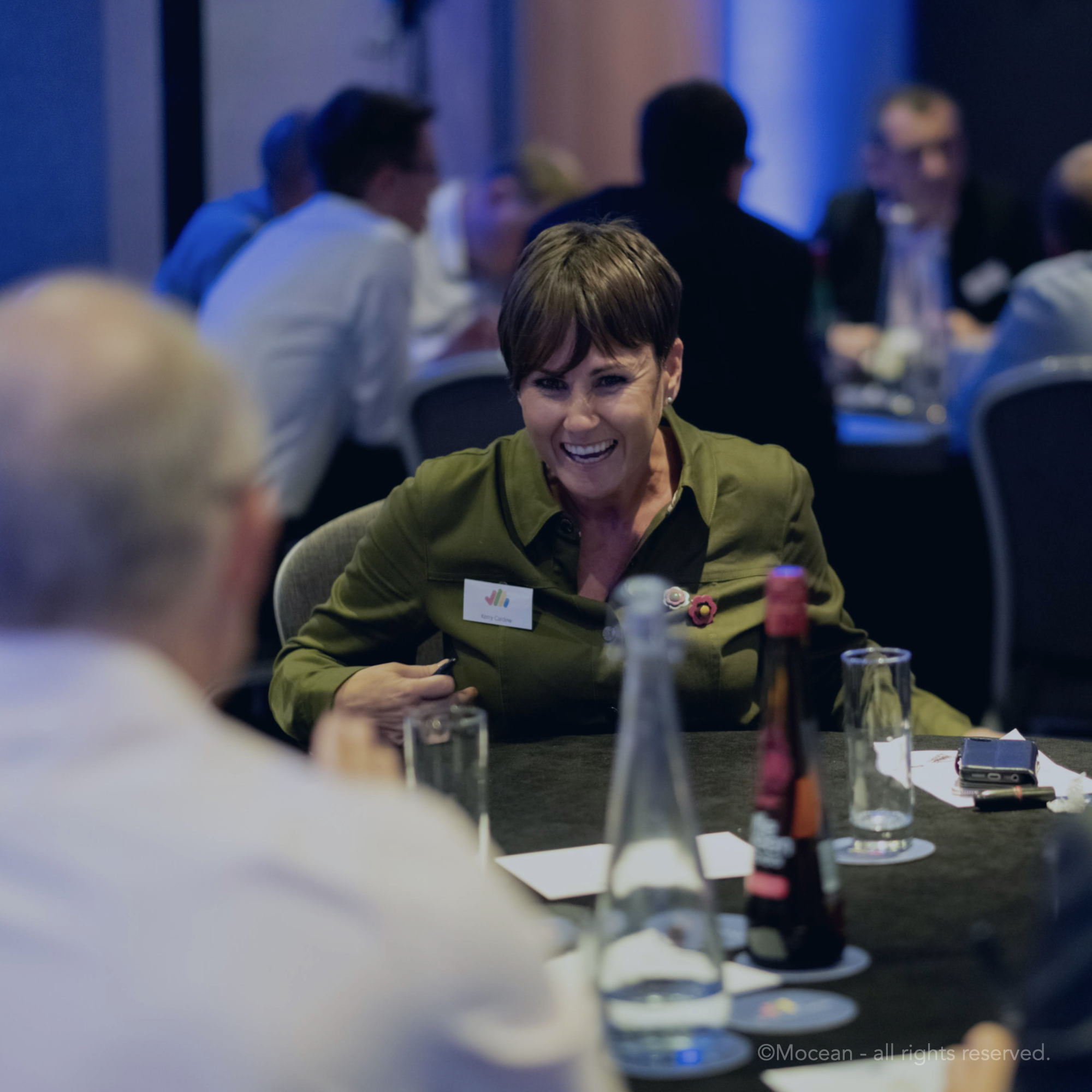
Culture influences how people respond to change
Organisational culture can have a significant impact on the success of change initiatives. Some cultures embrace experimentation and adaptation. Others place greater value on stability and predictability. Understanding those cultural dynamics is often critical when planning and delivering change.
The same change programme may be received very differently in two organisations with different cultures. That’s why successful change strategies consider not only what is changing, but the environment in which change is taking place. Culture shapes how people think, behave and respond. Change programmes that work with culture are often more successful than those that attempt to ignore it.
Culture can either accelerate change or slow it down. Organisations with high levels of trust, collaboration and psychological safety often find it easier to introduce new ideas and ways of working. In contrast, environments where communication is limited, or trust is low, may require more time, engagement and leadership support before change gains momentum. Understanding culture helps organisations identify where change is likely to be embraced and where additional support may be needed.
Organisational change services
Every organisation faces different change challenges. Some are introducing new strategies. Others are reshaping culture, implementing technology, restructuring teams or changing the way people work.
That’s why we begin by understanding people before focusing on plans or processes. Organisational change is rarely experienced equally across an organisation. Different audiences face different challenges, concerns and levels of readiness. What motivates one group may have little impact on another.
Understanding those perspectives helps organisations create change programmes that feel relevant, credible and achievable rather than imposed from above. Effective change programmes rarely fail because the vision is unclear. More often, they struggle because employees don’t understand it, don’t trust it or don’t see how it connects to them.
Questions we often explore include:
- What does success look like?
- How will people experience the change?
- What barriers exist?
- What concerns need addressing?
- How will engagement be maintained?
- How will progress be measured?
Our support can include:
Change communication strategy
Creating communication approaches that build understanding, trust and alignment.
Leadership communication support
Equipping leaders to communicate confidently throughout periods of change.
Employee engagement programmes
Creating opportunities for participation and involvement.
Change events and experiences
Designing experiences that encourage dialogue, understanding and commitment.
Stakeholder engagement
Understanding perspectives and identifying barriers to adoption.
Measurement and evaluation
Assessing engagement, adoption and organisational impact.
Change isn’t a single moment
One of the biggest challenges organisations face is treating change as a one-off initiative. A launch event takes place. A communication is sent. A programme begins. Then attention moves elsewhere. Successful change happens over time. People rarely move from awareness to adoption immediately.
They need opportunities to understand, question, experiment and adapt. The organisations that achieve lasting change recognise that engagement, communication and leadership support must continue long after the initial announcement.
Change isn’t created by a single moment. It’s created by a series of moments that build confidence and commitment over time. That’s why successful organisations think beyond launch events and communications campaigns.
They create ongoing opportunities for people to learn, ask questions, share feedback and understand what progress looks like. Sustaining change often requires as much effort as introducing it. The organisations that achieve lasting transformation recognise that change is a journey rather than an announcement.
Case study: creating the conditions for organisational change
The challenge
A global organisation recognised that meaningful organisational change was needed. While the business had ambitious goals for the future, there was a growing sense that established ways of working, behaviours and internal perceptions were preventing progress. The organisation needed more than a communications campaign. It needed people to recognise why change was necessary and create momentum behind a new direction. Mocean was given complete freedom across messaging, theming and content development to help make that happen.
Our approach
Before developing any communications, we focused on understanding the reality employees were experiencing. We delivered a series of discovery workshops across the UK and Canada, speaking with employees from across the organisation to identify the challenges, frustrations and barriers influencing day-to-day working life. Those conversations provided valuable insight into employee perspectives and helped uncover the issues that needed to be addressed.
Using those findings, we developed a change narrative designed to create urgency, encourage reflection and generate support for a different future. We created the campaign content, videos and animations, alongside the full event management and conference production, helping bring the change story to life in an engaging and accessible way. Importantly, the programme didn’t focus solely on employees. It challenged the leadership team to recognise their role in driving the behaviours and change the organisation wanted to see.
The outcome
The programme created a stronger understanding of the need for change across the organisation and helped establish a shared platform for future transformation. By listening to employees before developing communications, the organisation was able to ground its approach in real experiences rather than assumptions.
The initiative demonstrated that successful organisational change begins by understanding people. Most importantly, it reinforced a simple principle: People are more likely to support change when they understand why it matters and feel involved in the journey.


Looking to strengthen organisational change?
Whether you’re introducing a new strategy, implementing cultural change or supporting organisational transformation, we’ll help create understanding, engagement and confidence throughout the process.
Measuring the impact of change
Organisational change should be connected to measurable outcomes. The objective isn’t simply delivering activities. It’s creating meaningful progress.
Measures may include:
- Employee sentiment
- Engagement levels
- Change adoption
- Communication effectiveness
- Leadership visibility
- Participation
- Alignment
- Organisational outcomes
The most useful measurement focuses not just on activity, but on impact.
Did understanding improve?
Did confidence increase?
Did behaviours change?
Did adoption occur?
Understanding these outcomes helps organisations refine strategies and make better-informed decisions over time. This is where approaches such as business impact mapping can help connect change activity to organisational value.
Increasingly, organisations are also looking to understand the wider impact of change programmes, events and engagement initiatives. Measuring environmental and social outcomes alongside behavioural and organisational outcomes can provide a more complete picture of success and inform future decision-making. Platforms such as SUSSED help organisations measure and report on the environmental and social impact of events and programmes.
What successful organisational change can deliver
When change is communicated and implemented effectively, organisations can benefit from:
- Greater alignment
- Increased engagement
- Faster adoption
- Improved collaboration
- Stronger leadership confidence
- Better communication
- More resilient cultures
- Stronger employer brand
- Greater organisational agility
The greatest value often comes from helping people understand not only what is changing, but why it matters and the role they play in making it successful. Change becomes more sustainable when people feel part of the journey.
Organisations that manage change successfully are often better positioned to respond to future challenges, adapt to new opportunities and maintain momentum during periods of uncertainty. The value of change isn’t simply implementing something new. It’s helping people adopt new ways of thinking, working and collaborating that support long-term organisational goals.
The way organisations manage change can also significantly influence how employees talk about the organisation, shaping reputation, advocacy and employer brand over time. When change is supported by strong leadership, effective communication and meaningful engagement, organisations are often able to create improvements that extend well beyond the initial programme itself.
Why choose Mocean for organisational change?
We start with people
Successful change depends on how people experience it. That’s why we begin by understanding audiences, concerns and motivations.
We focus on participation, not compliance
People are more likely to support something they have helped shape.
We connect communication with change
Understanding creates confidence. Confidence helps create momentum.
We equip leaders to lead
Leadership visibility and communication often influence how change is experienced across an organisation.
We connect change with organisational outcomes
The objective isn’t simply implementing change. It’s creating meaningful and measurable progress.
We create change people can believe in
People rarely commit to change because they have been told to. They commit when they understand the reasons behind it, trust the people leading it and feel they have a role in shaping its success.
FAQs about Organisational Change
What is organisational change?
Organisational change refers to the process of introducing new strategies, structures, systems, behaviours or ways of working within an organisation.
Why do organisational change programmes fail?
Change initiatives often struggle when communication, leadership support, engagement and stakeholder involvement are insufficient.
How do you manage organisational change successfully?
Successful organisational change combines leadership, communication, engagement and ongoing support to help people understand and adopt new ways of working.
What role does communication play in organisational change?
Communication helps create understanding, reduce uncertainty and build confidence throughout a change journey.
Why is employee engagement important during change?
People are more likely to support change when they understand it, trust it and feel involved in the process.
Let’s create change people can believe in
Organisational change isn’t created through announcements alone. It happens when people understand the direction, trust the leadership and feel involved in the journey. We’ll help you create change programmes that build understanding, engagement and confidence. Because successful change happens with people, not to them. And people are far more likely to support change when they understand why it matters and feel involved in the journey.
